Independent dryer vent guide · non-urgent requests
Dryer Vent Cleaning in Macomb CountyA guide from The Local Lookout

Symptom checklist

Signs your dryer vent may be clogged

One symptom cannot diagnose the whole system. Changes in drying time, heat, smell, and outdoor airflow can help describe the concern for qualified follow-up, but they cannot determine the cause.

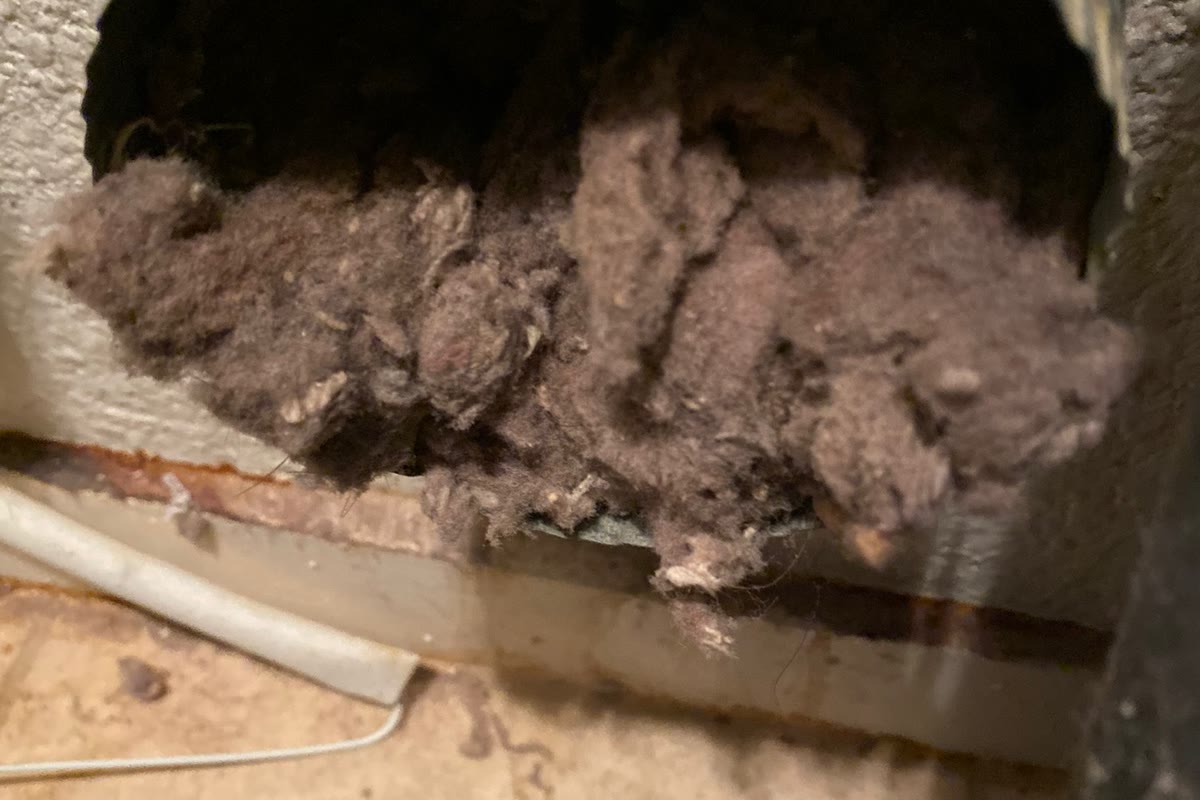
Heavy lint buildup inside a clothes dryer exhaust connection.
Visible lint at the connection can be one part of a longer restriction inside the exhaust route.

What should I do next?

Longer drying times can indicate a blocked lint screen or exhaust duct, but symptoms alone cannot establish the cause. Start here, then record what you already know for a qualified professional.

Updated October 15, 2026 by The Local Lookout LLC. General guidance based on the CPSC dryer safety alert and U.S. Fire Administration guidance, plus the service-scope explanations below. This is not an appliance diagnosis or professional inspection.

Dryer symptoms and next steps to discuss with a qualified professional
What you noticeYour next step
Smoke, flame, sparking, burning smell, or overheatingStop using the dryer. If there is smoke, flame, sparking, or immediate danger, leave and call 911 from a safe place. Do not approach unsafe controls. For a burning smell or overheating without immediate danger, keep it off and seek qualified service.
Clothes take longer or need another cycleClean the removable lint screen according to the manual. If the change persists, ask for an exhaust-path and appliance evaluation. Repeated cycles are not a way to clear a blockage.
Weak outdoor airflow, lint buildup, or a stuck damperDescribe what you have already seen from a safe location. Vent cleaning or outlet evaluation may be needed. Do not run a test cycle, climb, or reach into the vent to complete this checklist.
No heat, no tumbling, or a persistent error codeFollow the manufacturer’s instructions and contact qualified appliance service. Vent cleaning alone cannot repair every dryer fault. Record the model and error code if already known.
A crushed, torn, or disconnected connectorDo not use the dryer with disconnected exhaust. Ask about vent repair as a separate scope. Do not move the appliance or disturb gas or electrical connections to investigate.

Start with the lint screen, the dryer’s behavior, and the exterior outlet. Do not dismantle concealed ducting or climb onto a roof to investigate.

Review what a complete dryer vent cleaning should include and the local cost factors before comparing a quote.

Limited observations—only when conditions are safe

  1. Clean the removable lint screen.
  2. Only if there is no smoke, burning odor, unusual heat, visible damage, or known blockage, observe from ground level whether the outdoor damper opens during otherwise normal operation.
  3. Without moving the dryer or disturbing gas or electrical connections, inspect only visible, accessible connector sections for crushing, kinks, or disconnection.
  4. Do not climb onto a roof, dismantle concealed ducting, or repeatedly test a dryer that appears to be overheating.

Six signs worth investigating

  1. Loads need a second cycle. A sudden increase in drying time can indicate restricted exhaust, although appliance and load-size issues are also possible.
  2. The dryer or laundry room feels unusually hot.Restricted airflow can hold heat near the appliance.
  3. Outdoor airflow appears weak. The exterior damper should generally open while the dryer runs. Never block or reach into moving parts.
  4. Lint appears around the connector or exterior hood.Escaping or accumulated lint can warrant a closer inspection.
  5. A hot or burning smell appears. Stop the cycle and stop using the dryer. If there is smoke, flame, or immediate danger, leave and call 911 from a safe place; otherwise follow the manufacturer's instructions or contact qualified service.
  6. The exterior damper does not open. Lint, damage, ice, or nesting material may restrict the outlet.
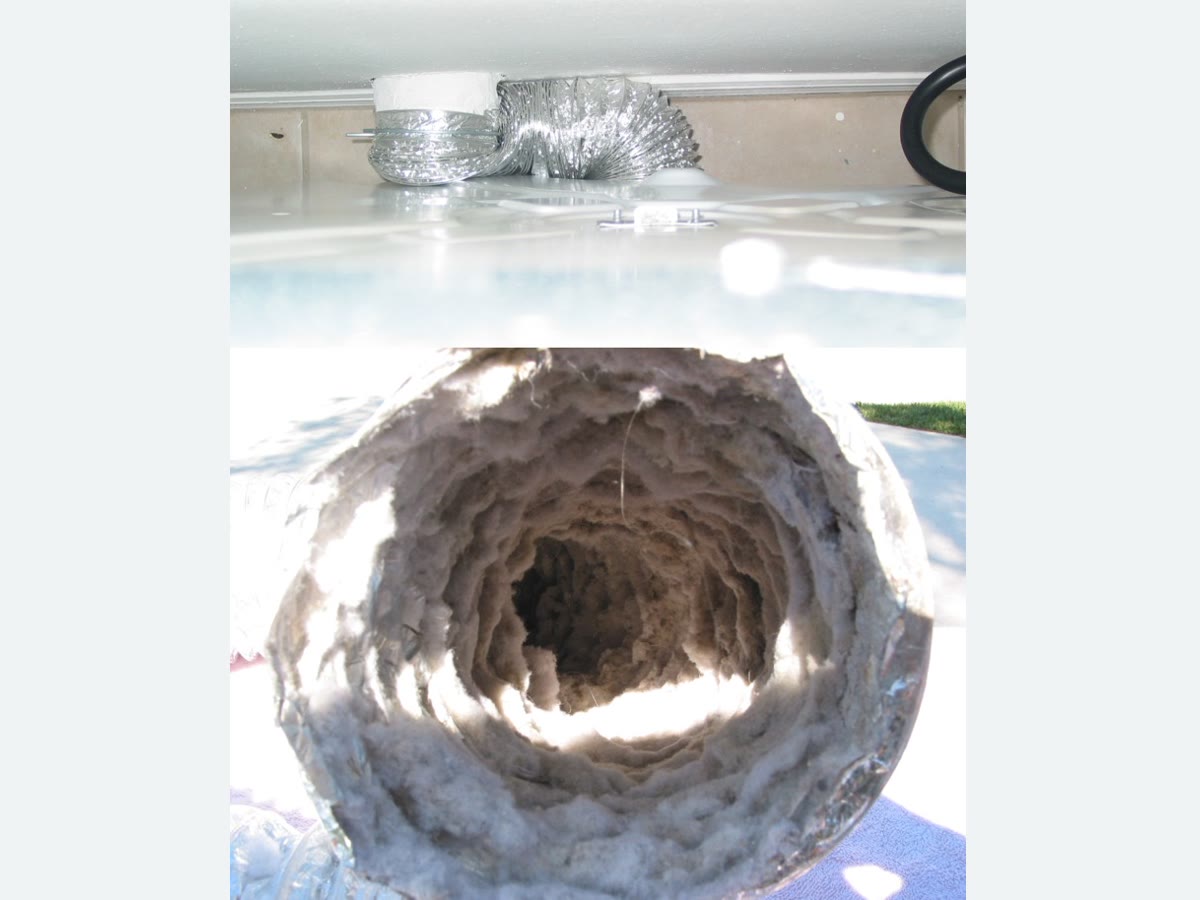
Reference views showing a kinked dryer connector and lint inside the hose.
A kinked connector can restrict airflow even when the longer duct is otherwise clear.

The categories below are discussion prompts, not a diagnosis. Only a qualified provider that evaluates the situation can determine the cause and appropriate scope.

Cleaning may fit when

  • Drying time gradually increased.
  • The dryer still tumbles and heats, but airflow seems weak.
  • Lint or debris is visible near the outlet or connector.
  • Routine cleaning has not been performed for an extended period.

Appliance service may fit when

  • The drum does not turn.
  • The machine produces no heat at all.
  • An error code remains after normal troubleshooting.
  • The breaker trips or electrical problems are suspected.

The two problems can also occur together. A provider should explain what was observed rather than promising that vent cleaning will fix every dryer complaint.

Vent repair may fit when

  • The connector is crushed, torn, loose, or repeatedly disconnects.
  • The exterior hood is damaged or its damper cannot move freely.
  • The route contains unsuitable material or needs to be altered.
  • Cleaning restores part of the airflow but a physical defect remains.

Read the Macomb County dryer vent repair and installation guide to separate cleaning, connector repair, altered duct work, and appliance service before requesting a quote.

When to stop using the dryer

Stop using the dryer if you see smoke, flame, sparking, or persistent signs of overheating. If a fire or immediate danger is present, leave the area and call 911 from a safe place. Do not approach the appliance or controls if doing so would be unsafe. Otherwise follow manufacturer instructions or contact qualified service; do not continue testing an appliance that appears unsafe.

Before snow and ice arrive, use the Michigan winter dryer vent safety checklist to observe a safely visible wall outlet from ground level and plan appropriate follow-up.

Take a useful summary into your next conversation.

Record what you have already noticed. Copy or print it for a professional, property manager, or landlord. No name, email, or service request required.

Stop using the dryer for a burning smell or signs of overheating. If there is smoke, flame, sparking, or immediate danger, leave and call 911 from a safe place. Do not keep testing an unsafe dryer. Do not run a test cycle or move the dryer to complete this worksheet.

What have you noticed?

Choose any that apply. This records observations, not a diagnosis.

Your entries stay in this page’s memory. They are not saved or sent by the website. Reload or use Clear worksheet to remove them. Printing and copying are handled by your device.

Download a blank printable worksheet (PDF, 2 pages). Prefer paper? No JavaScript or account is needed for the PDF.

Your symptom summary

Review before you print or share. A professional must determine the cause and appropriate work.

DRYER SYMPTOM SUMMARY
Homeowner observations for a qualified professional. Not a diagnosis or proof that the dryer is safe.

Observed symptoms:
Not recorded

First noticed: Not recorded
Dryer location/access: Not recorded
Vent outlet: Not recorded
Other observations or error code: Not recorded

SAFETY FIRST
Stop using the dryer for a burning smell or signs of overheating. If there is smoke, flame, sparking, or immediate danger, leave and call 911 from a safe place. Do not keep testing an unsafe dryer.
Record only what you already know or can see safely. Do not run a test cycle, move the dryer, disturb gas/electrical connections, climb, or open concealed ducting to complete this sheet.

ASK BEFORE APPROVING WORK
Does the quote include the full accessible exhaust route, exterior outlet, moving/reconnecting the dryer, and a check of the result? Will repairs and extra charges need separate approval?

Independent homeowner resource from The Local Lookout LLC. No provider is currently assigned; this summary does not submit a service request.
https://macombdryervent.com/signs-your-dryer-vent-is-clogged
Safety sources: CPSC Publication 5022; U.S. Fire Administration appliance guidance. Sources checked October 15, 2026.

A resource worth passing along.

HOAs, libraries, community newsletters, and property managers may link to this guide or share the unmodified blank worksheet for free, with credit to The Local Lookout LLC. Keep the safety guidance and source notes attached. This permission covers our worksheet, not third-party photographs or linked publications.

https://macombdryervent.com/signs-your-dryer-vent-is-clogged#symptom-summary

Want to describe a non-urgent warning sign?

Tell us what changed and where your dryer vent exits.

No provider is assigned yet; a response is not guaranteed.

Leave a voicemail(586) 690-4360