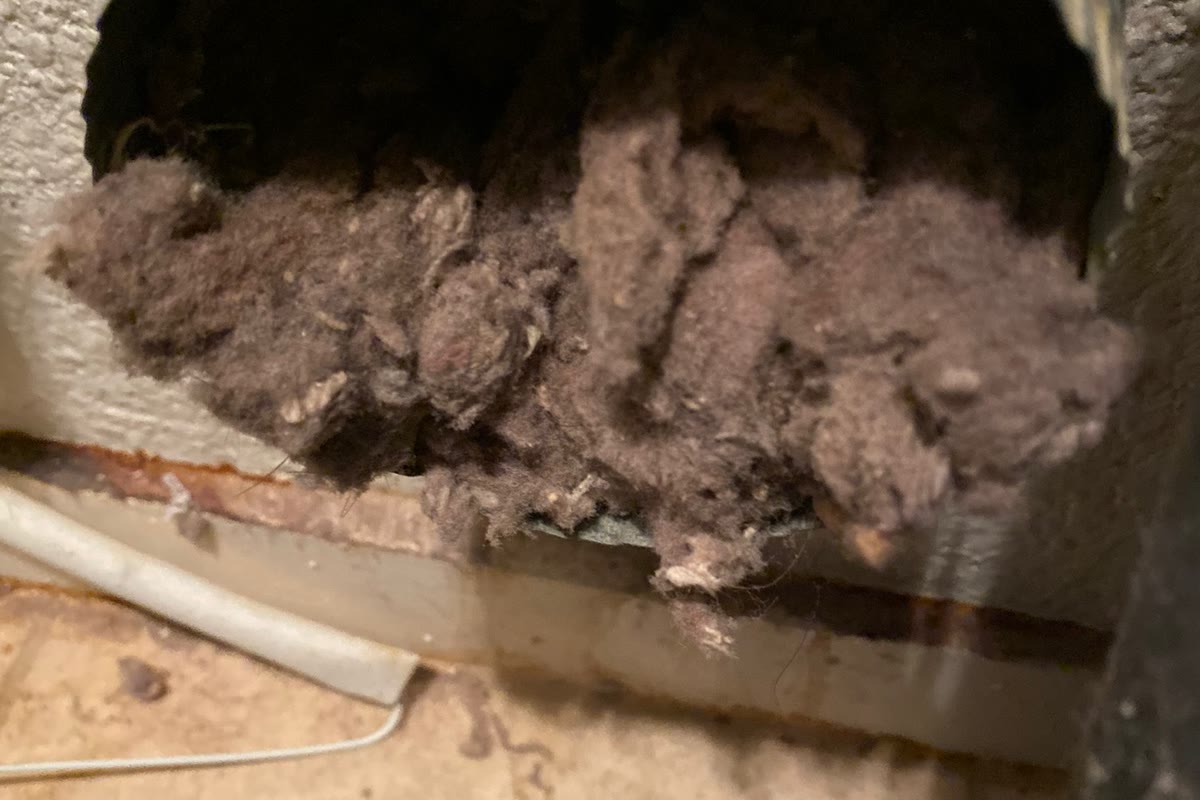
A Michigan LARA-hosted NFPA safety handout specifically reminds homeowners to keep the outdoor vent flap clear of snow. The U.S. Fire Administration also advises keeping dryer vents clear of snow and other debris.
Published and sources checked September 2, 2026 by The Local Lookout LLC.
Your quick winter dryer-vent check
Complete only the checks that can be done safely from the ground and without opening concealed ducting. The boxes below are also in the printable version.
Before winter
- Locate the exterior dryer outlet from a safe, accessible position.
- Do not disturb a nest, animal, or outlet that cannot be approached safely from ground level. Stop and seek appropriate help.
- Only if there are no warning signs or known blockages, observe from ground level whether the outside flap opens while the dryer operates normally.
- Without moving the dryer or disturbing gas or electrical connections, inspect only visible, accessible ducting for crushing, kinks, loose connections, or damage.
- Keep the accessible area around the dryer free of lint and combustible clutter.
- Plan periodic cleaning, especially when drying time has increased.
After snow, ice, or drifting
- Check that snow, ice, or drifting has not covered the exterior outlet.
- From ground level, brush away only loose snow that can be removed without forcing, striking, or dismantling the hood or flap.
- Recheck after shoveling or plowing moves snow against the home.
- Only if there is no smoke, burning odor, unusual heat, visible damage, or known blockage, observe from ground level whether the flap opens and exhaust escapes during otherwise normal operation.
- Stop using the dryer if the outlet remains blocked or no exhaust air is escaping.
Every load
- Clean the lint filter before or after each load.
- Never operate the dryer without its lint filter.
- Follow the manufacturer instructions and avoid overloading the dryer.
- Turn the dryer off before leaving home or going to bed.
Warning signs that deserve attention
- Clothes remain damp or take longer than normal to dry.
- The outside flap does not open while the dryer is running.
- Little or no exhaust air is escaping outdoors.
- The visible duct is crushed, kinked, disconnected, or damaged.
- Snow, ice, a nest, or other debris is blocking the outlet.
- You smell burning or believe the dryer is overheating.
The U.S. Consumer Product Safety Commission says longer-than-normal drying can indicate a blocked lint screen or exhaust duct. Its guidance also recommends checking the outside outlet while the dryer is operating to confirm that exhaust air is escaping.
Use the fuller clogged dryer vent warning-sign guide to compare possible airflow-restriction signs with appliance-related symptoms without treating either as a diagnosis.
Do not climb, dismantle, or improvise
- Do not climb onto a snowy or icy roof to inspect an outlet.
- Do not force a frozen flap or dismantle an unfamiliar vent assembly.
- Do not disturb an animal, active nest, eggs, or chicks. Stop and contact an appropriate wildlife professional.
- Do not add wire screen or cloth over the outlet. USFA guidance warns that these materials can collect lint and clog the vent.
- Do not treat clearing exterior snow as proof that the entire concealed route is clean.
Cleaning or physical repair?
Cleaning may be appropriate when lint or removable debris restricts an otherwise sound exhaust path. Physical work may be needed when ducting is crushed, disconnected, damaged, unsuitable, or paired with a stuck or damaged exterior termination.
These are general discussion prompts, not a diagnosis. Only an appropriately qualified provider that evaluates the situation can determine the cause and scope.
- Review what a complete dryer vent cleaning should include.
- Separate cleaning from dryer vent repair and installation.
- Compare the Macomb County cost factors before approving a quote.
- Review the service-request area before submitting a request.
Official sources
This checklist paraphrases the following sources. It is a general homeowner aid, not an inspection, guarantee, code determination, or substitute for manufacturer instructions.
About this guide
The Local Lookout LLC is an independent information and referral website. It is not a fire department, government agency, emergency service, or dryer vent cleaning company. No provider is currently assigned. If a future provider is identified and the homeowner separately agrees to sharing, that provider may pay The Local Lookout LLC a fixed monthly marketing fee for access to eligible inquiries. The provider would be responsible for any assessment, recommendations, quote, contract, work, invoice, and warranty.